
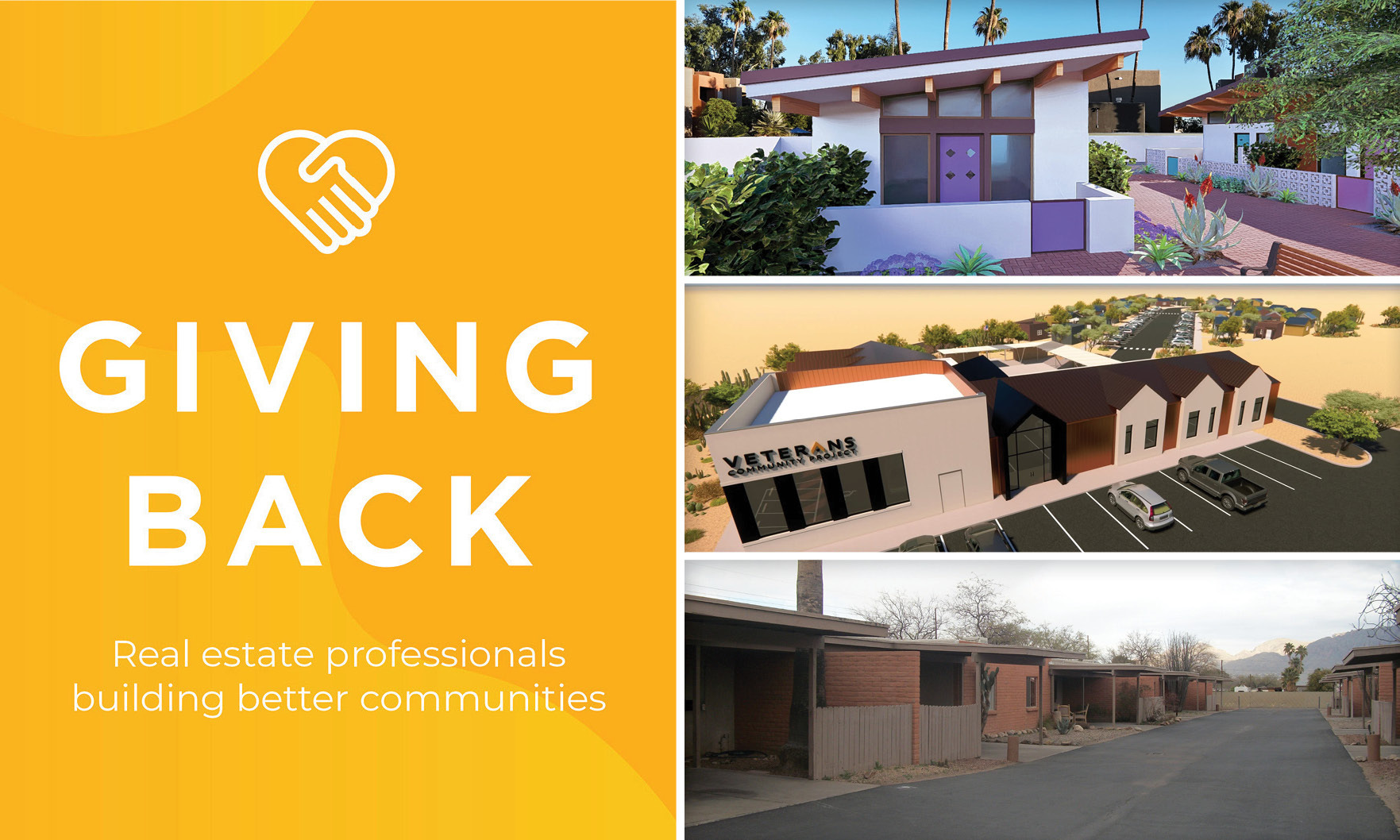
The Arizona Housing Fund granted $500,000 to three nonprofits in the state for three new housing developments. The projects include two tiny home villages and a refurbished apartment building.
AZHF is primarily funded by the state’s Escrow Donation Program, in which real estate agents, brokerages, mortgage companies and escrow companies donate $25 at the close of escrow.
Half of the funds will go toward the Veterans Community Project of Glendale, which will develop a community featuring 50 furnished tiny homes for veterans who are either experiencing or at risk of experiencing homelessness. Each resident within the community will have access to a case manager, who will provide support with health and wellness, education and career training, money management and more.
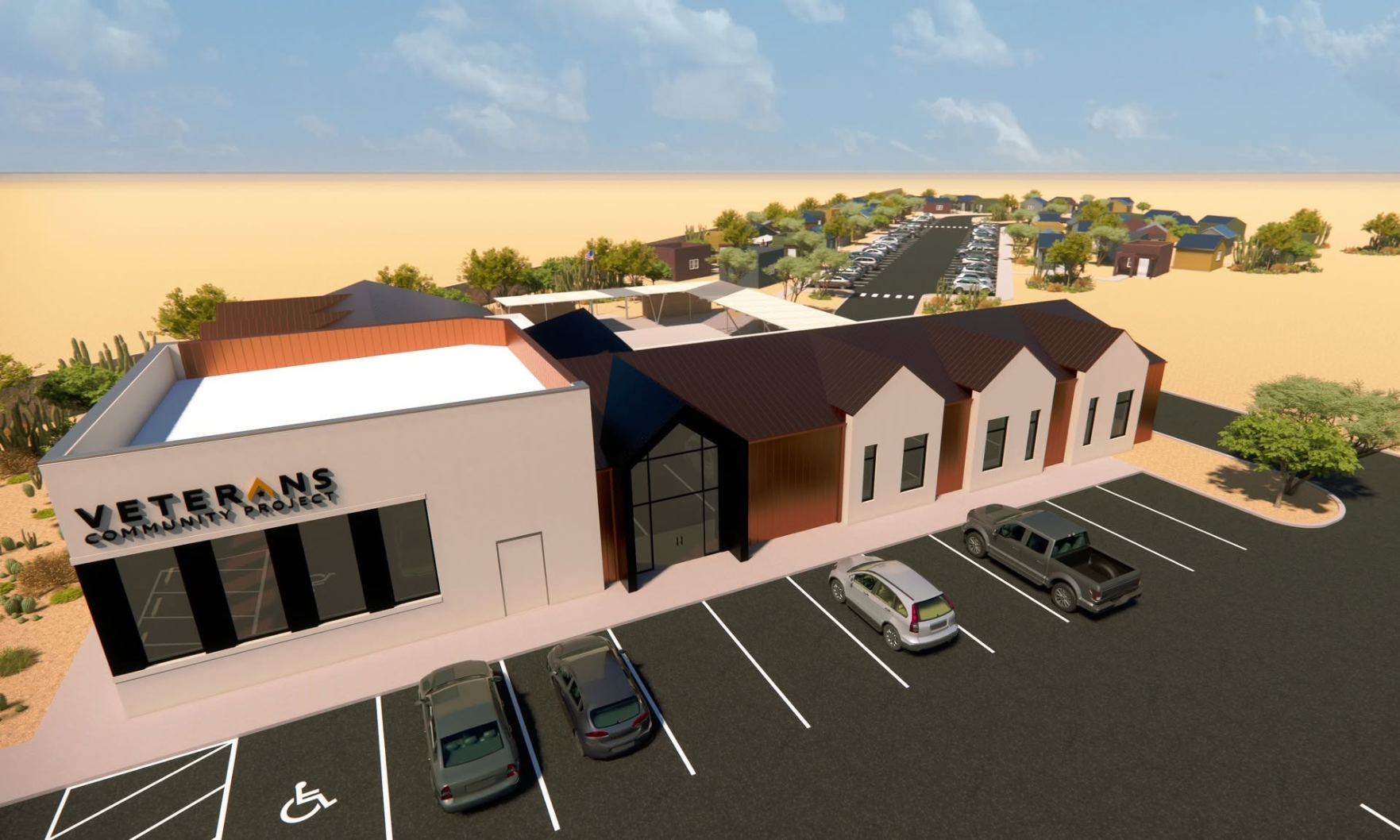
Rendering of the Veterans Community Project of Glendale (Image credit: Veterans Community Project)
Land for the project was donated by the City of Glendale, with additional funding from Maricopa County, the State of Arizona, the Arizona Department of Housing, the Arizona Diamondbacks, the Local Initiatives Support Corporation, the Berkshire Hathaway HomeServices Legacy Foundation, QuikTrip, the United Services Automobile Association (USAA) and the Arizona Veterans Donation Fund.
The first five VCP homes will be completed early next year, with move-ins projected for the second quarter.
“The Arizona Housing Fund grant moves us measurably closer to opening our Veterans Community,” Rebecca Tallman, interim director of VCP of Glendale, said in a press release. “Once our homes are open, veterans who have been sleeping in cars, shelters or on the streets will have a safe, private place of their own, along with case management services to help them overcome the barriers that led to homelessness and transition to permanent housing. For many, it will be the first time in a long time that they have a key in their pocket, a door that locks and a community of fellow veterans who truly understand them.”
Another $150,000 will go to Old Pueblo Community Services, which will refurbish the Water Street Apartments in Tucson. Residences will be reserved for Arizona Health Care Cost Containment System members with serious mental illnesses. The property includes 11 two-bedroom units, providing permanent housing for up to 22 people. AHCCCS donated $1.3 million for the project, with AZHF’s contribution covering additional renovations. Resident move-ins are scheduled for December.
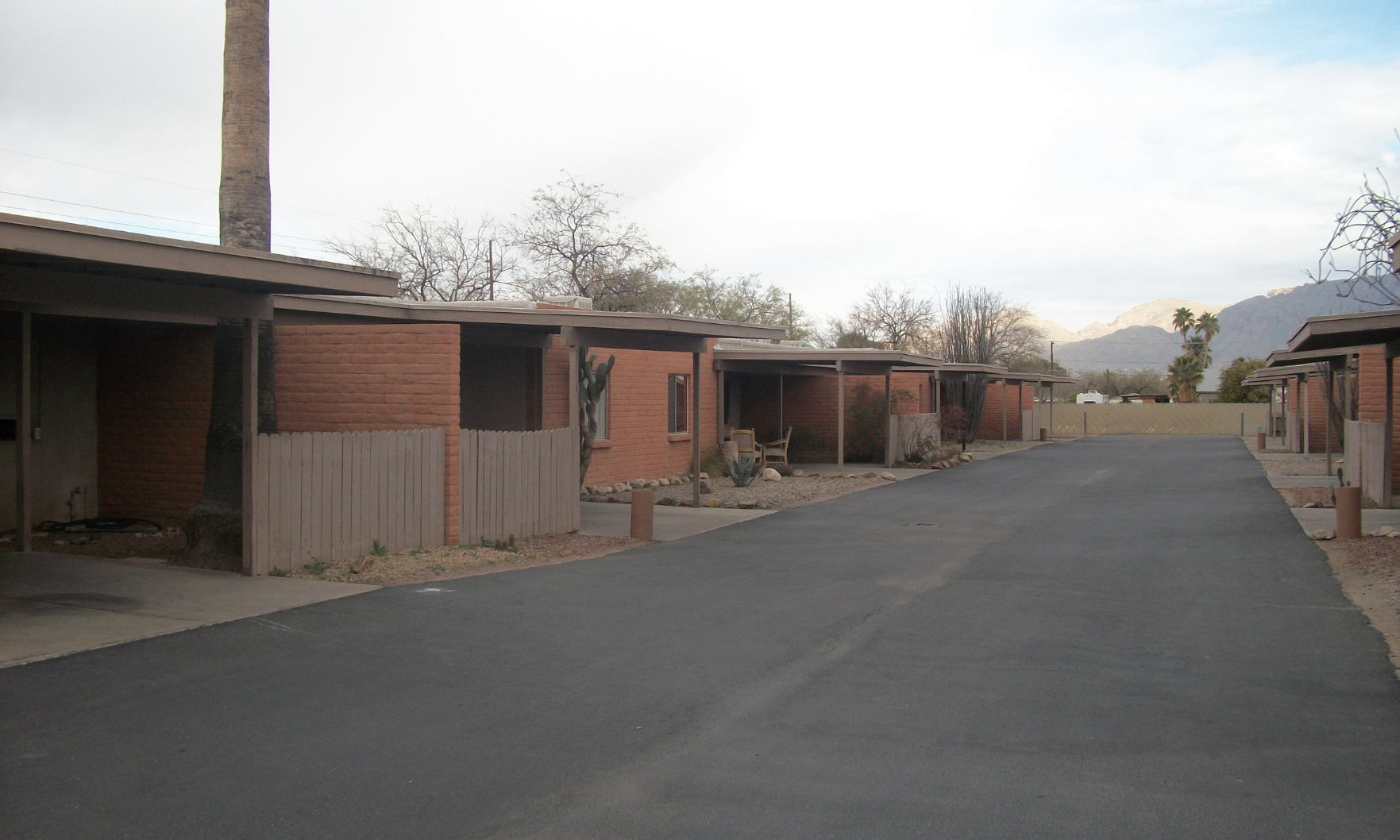
Water Street Apartments (Photo credit: Old Pueblo Community Services)
“This project represents much more than a housing development. It is a long-term investment in people and in our community,” said Old Pueblo CEO Tom Litwicki. “By creating permanent supportive housing for individuals living with serious mental illness and experiencing homelessness, we are providing the stability and services people need to recover, thrive and remain housed. We are grateful to the Arizona Housing Fund for helping us transform this property into a safe and supportive place to call home.”
Additionally, $100,000 will go to La Mesa Ministries for the Eden Village of Arizona project in Mesa. The tiny home project will feature 21 furnished units for residents with disabilities who are experiencing homelessness. Additional funds for the project were provided by The Diane and Bruce Hall Foundation, LISC, the Federal Home Loan Bank, the Neely Foundation and the Dobson Foundation.

Rendering of Eden Village of Arizona (Image credit: La Mesa Ministries)
Rent in the community will be limited to $400 per month. Residents in Eden Village will have access to a 3,693-square-foot community center with educational classes and case management services. Completion is slated for early next year.
“From my 50 years in the homebuilding industry, I’ve learned that the hardest part to complete in any project is the last 10%. The Arizona Housing Fund has just made it a little easier,” said Rick McClellan, executive director of Eden Village of Arizona. “Yes, we are building some beautiful homes, but much more than that, we are building a community. Housing will not solve homelessness, but community will. Our residents will be blessed with a new place to call home, but more than that, they will begin to have purpose and meaning in belonging in a community that cares.”