
Current Market Data
Given home prices and mortgage rates, the affordability index dropped annually from 74 to 72, meaning the median household income currently covers 72% of the needed funds for a median-priced home.
In 17 out of the past 19 months, U.S. homebuilders have sold at a discount compared to existing-home sales.
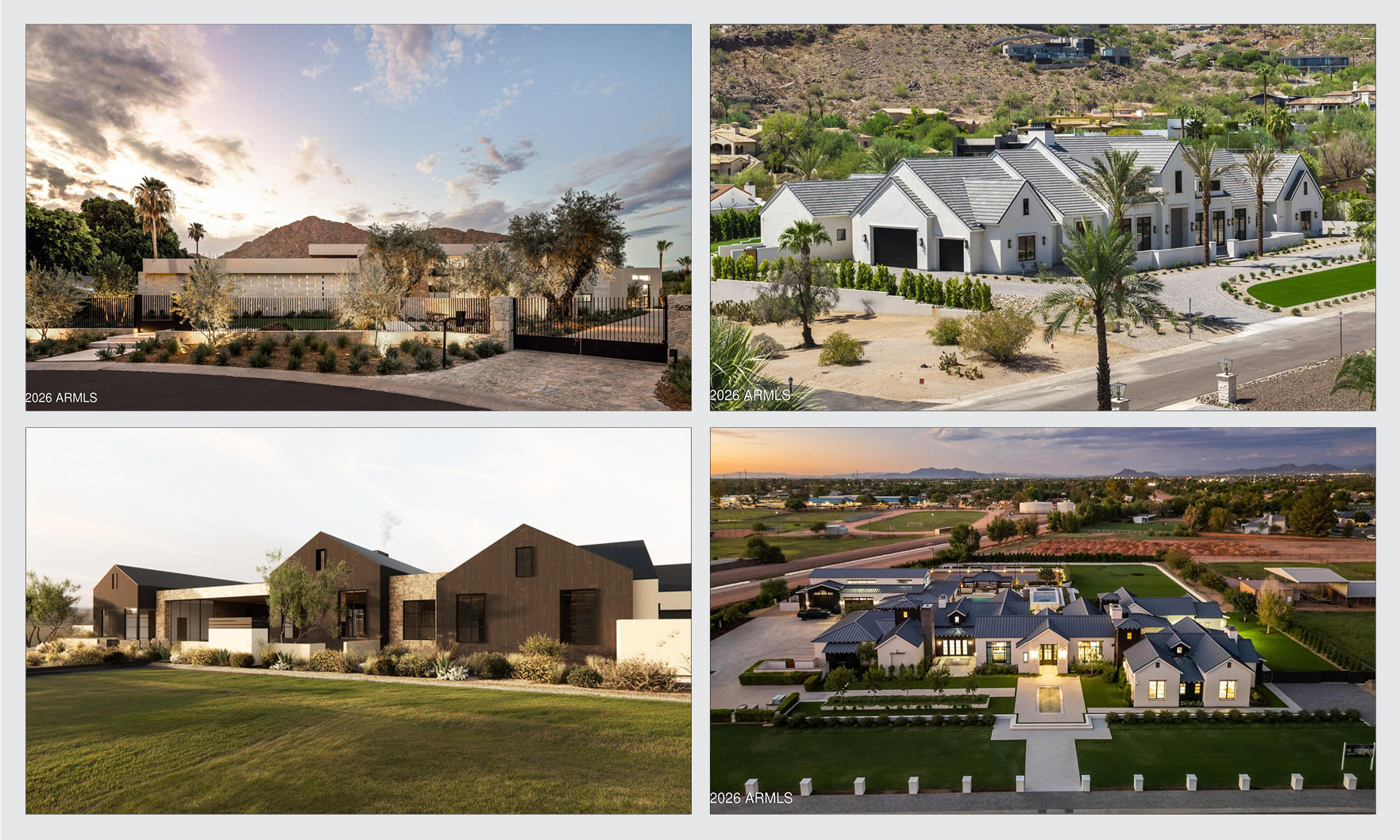
A new-construction estate in Phoenix tops the ranking of the priciest new listings in Arizona for September.-
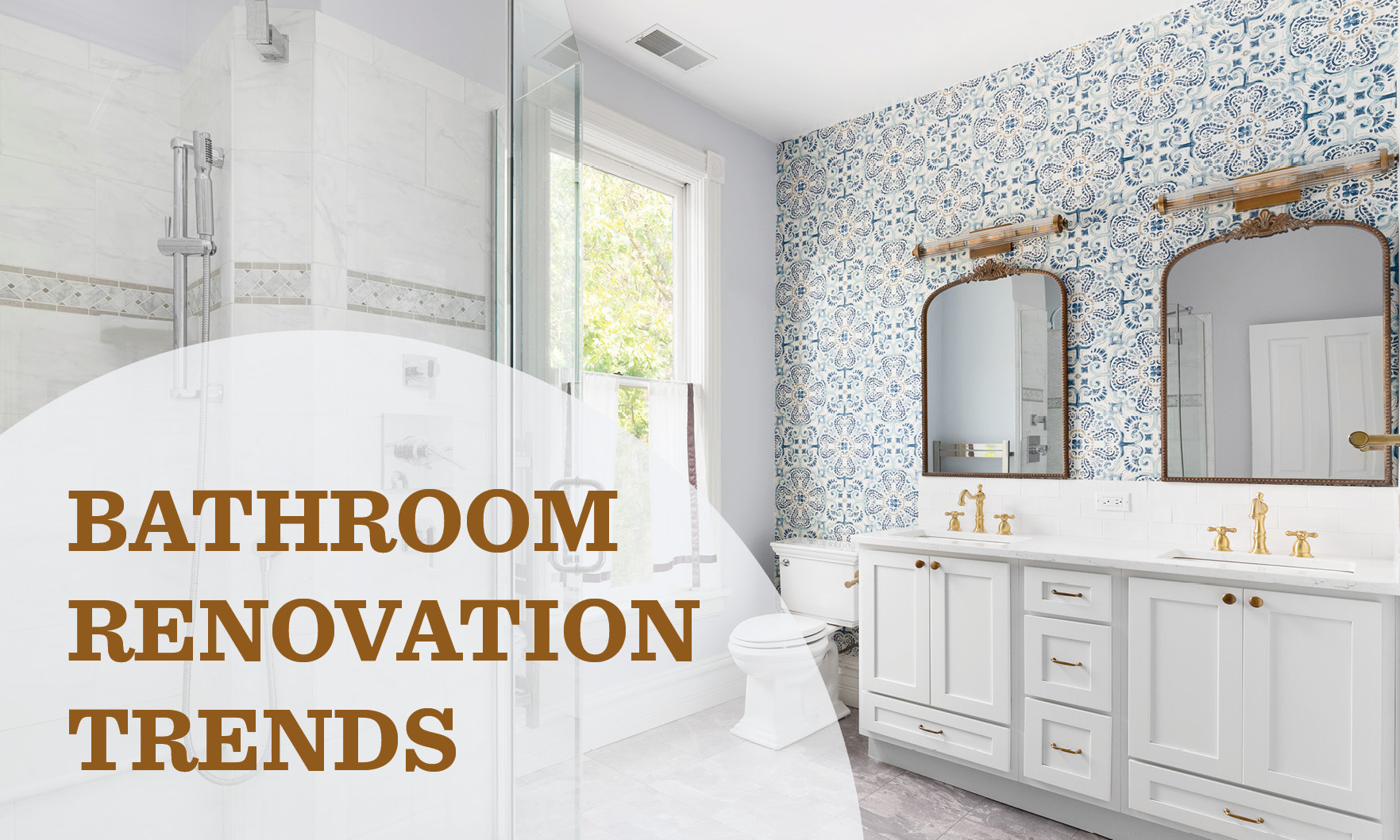
Popular bathroom upgrades in 2026 include bolder accents, specialized water features and structural changes.
S&P Dow Jones noted that although prices rose almost 2%, in real terms, they were down, thanks to inflation, which registered 3.4% in July.
New-home inventory fell to its lowest level since December.
The month-over-month bump in contract signings was still below the pace of last August.
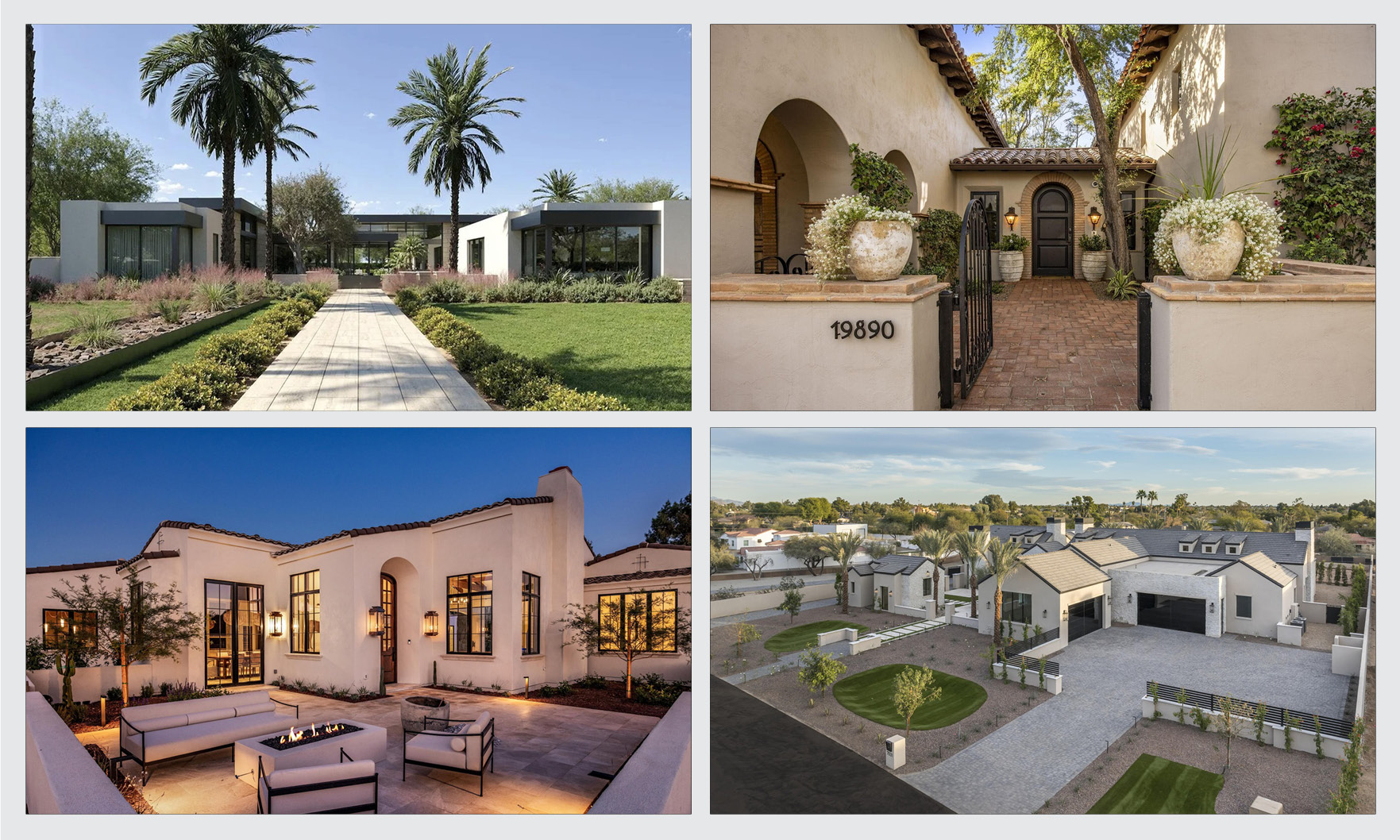
Winners of the 2026 Phoenix Agents’ Choice Awards are prominently featured on our August roundup of the priciest home sales in Arizona.
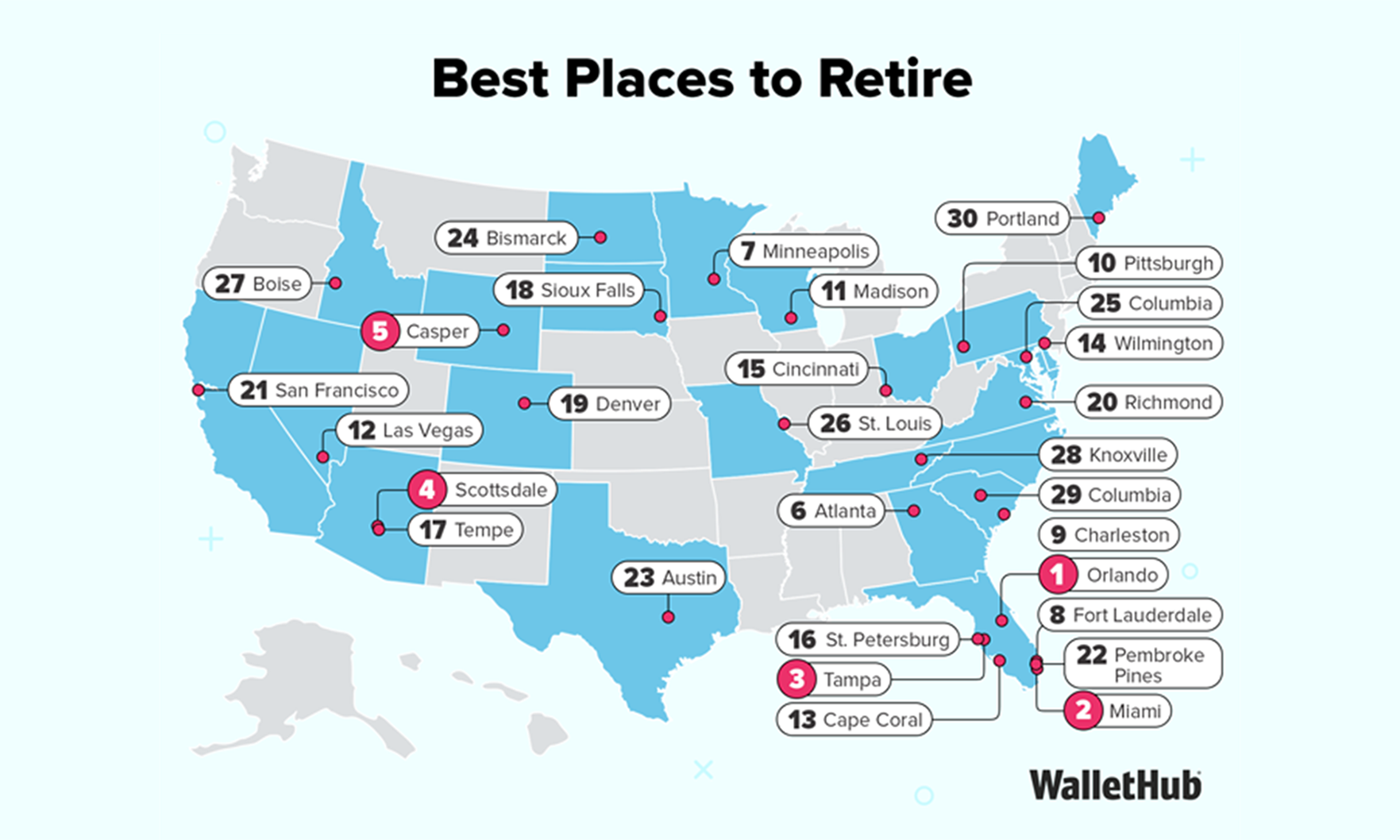
Scottsdale scored high based on its retiree-friendly environment, coming in first for quality of life and second for its percentage of population aged 65 and older.

Since the Hispanic Wealth Project’s founding in 2014, Hispanic household wealth has more than tripled across the U.S.

In Phoenix, specifically, buyers who wait until the first week of November to buy stand to see 16.4% more active listings.
However, Phoenix REALTORS® President Sammy Glassman says those numbers shouldn’t deter sellers from listing.
At the same time, the median-sales price rose again, as months’ supply of homes for sale hit a 10-year high.
The increase in purchase activity offset a decrease in refinancings.
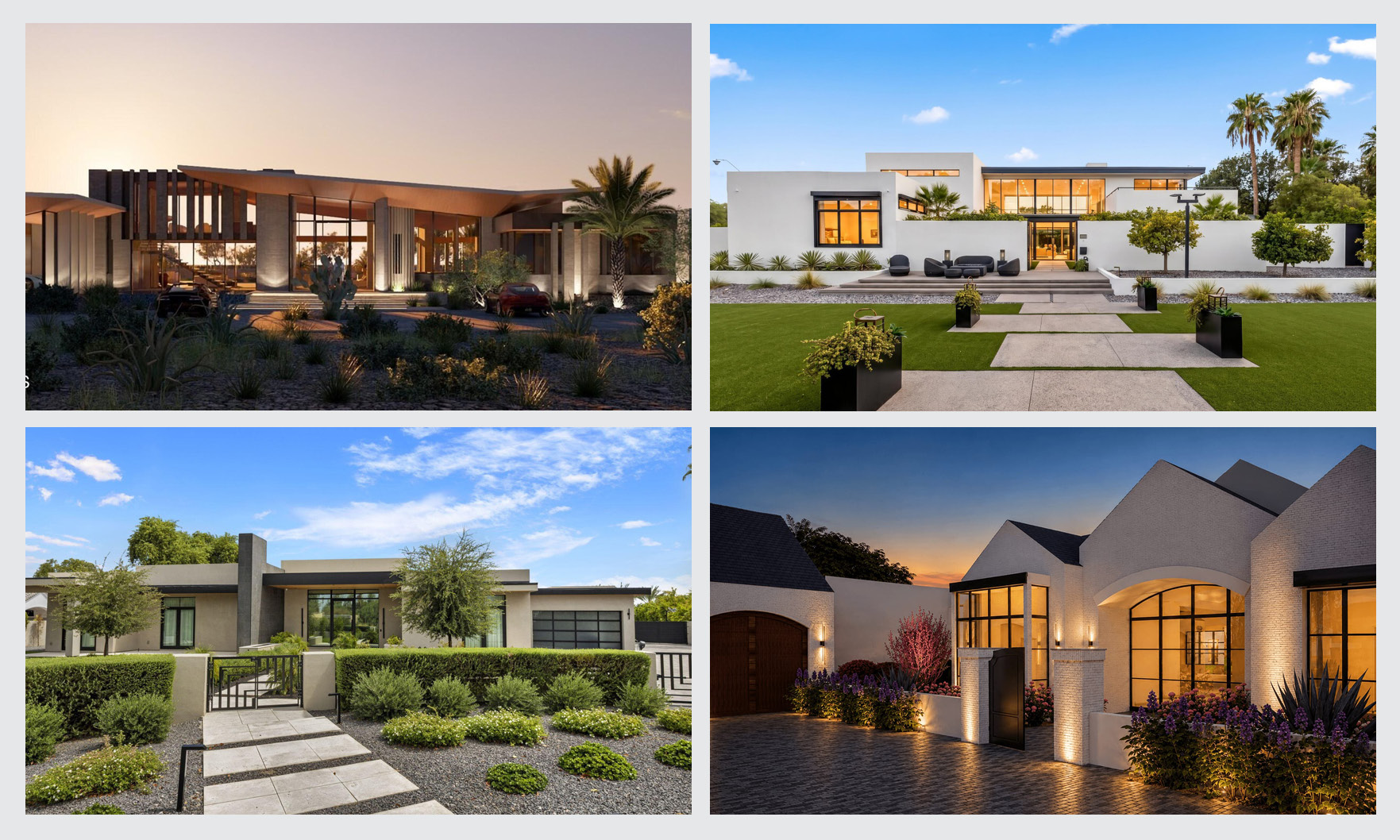
The priciest new listing in Arizona is still a work in progress: The $20 million estate, currently being built by BedBrock Developers, is set for completion in 2028.
The pace of home-price growth rose nationally but with significant regional differences.