
Current Market Data
By region, sales rose in the Midwest, Northeast and South but fell in the West.
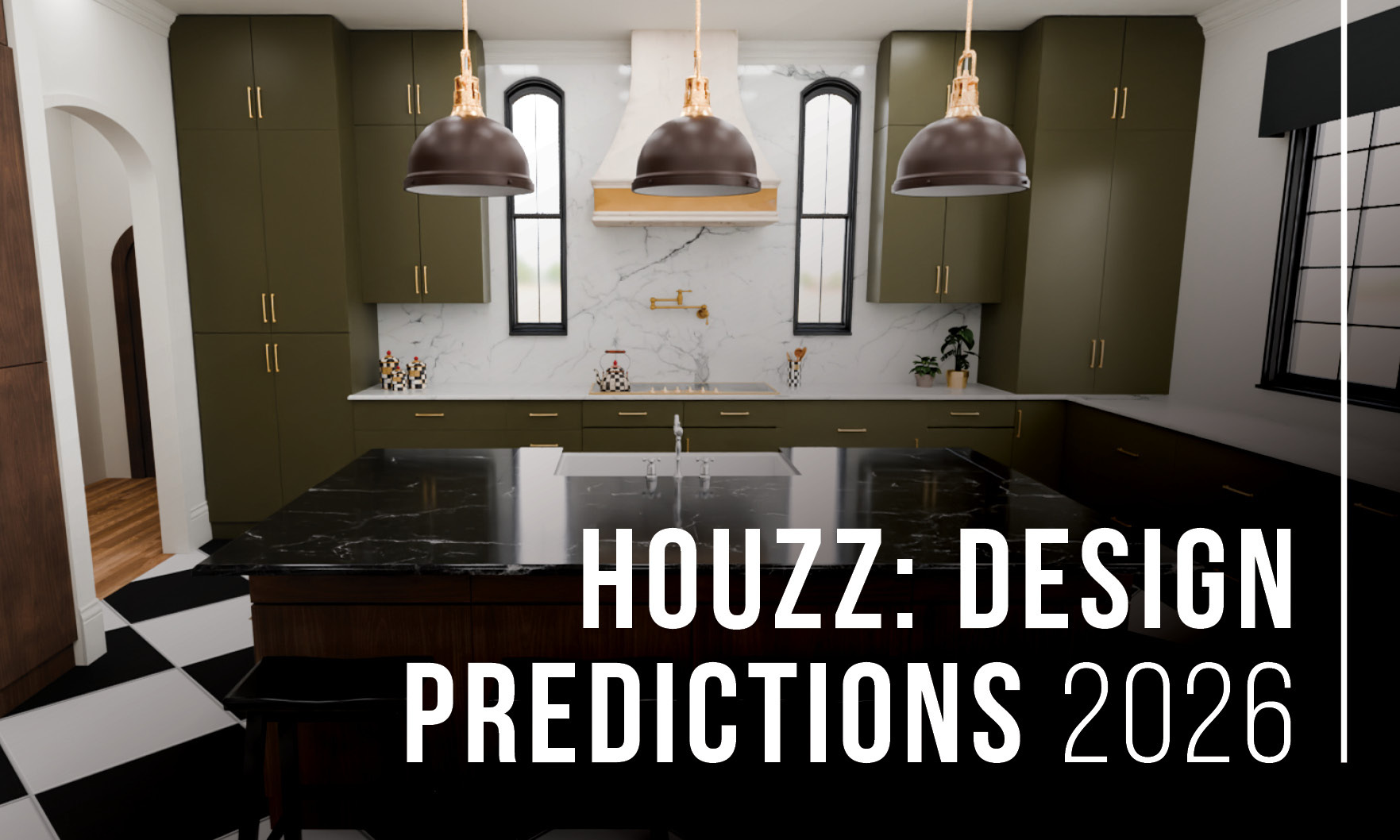
Bold, geometric designs like chevrons, sunbursts, zigzags and stepped shapes are making a huge comeback as of late — and Houzz said that will continue into 2026.
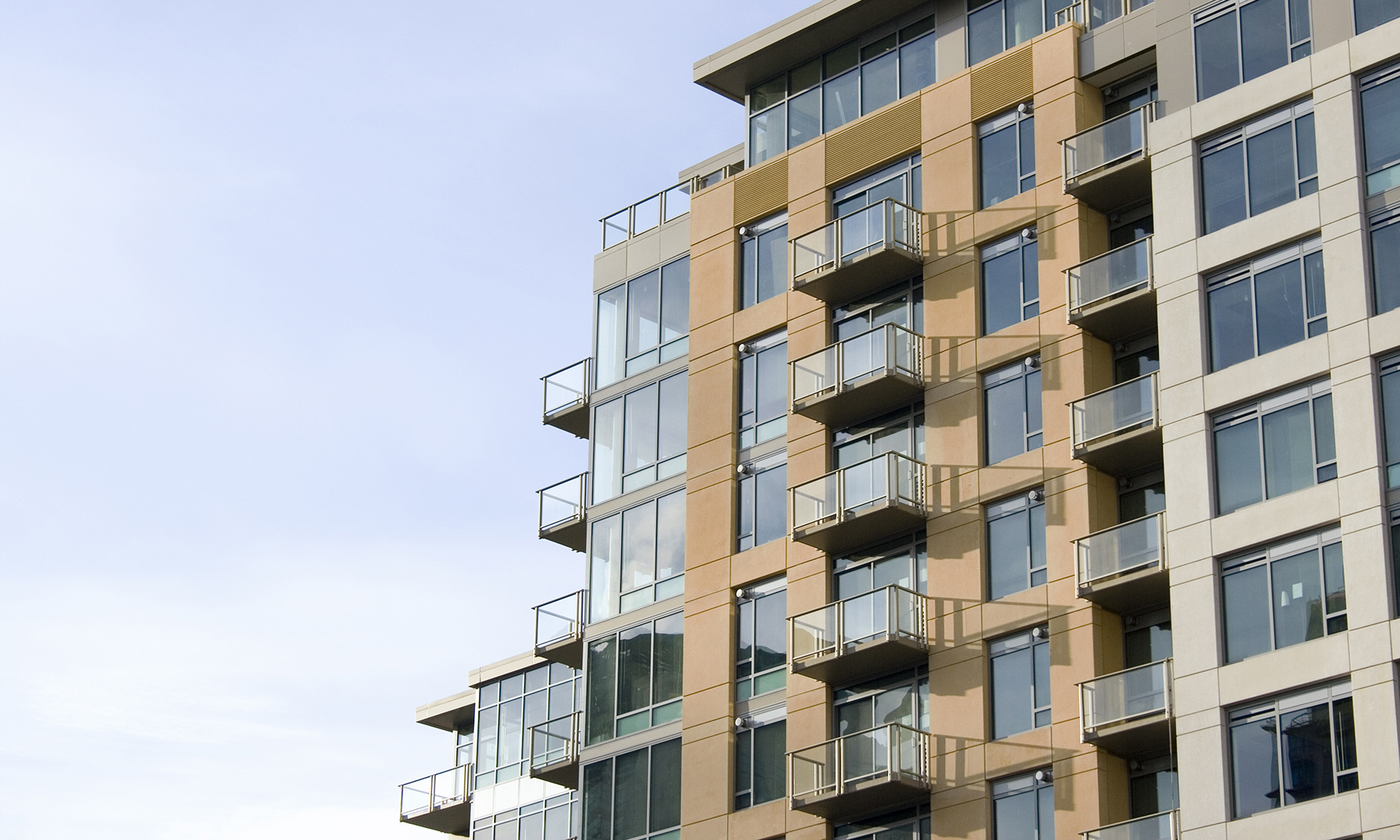
Income growth surpassed rental growth in 37 of the largest 50 U.S. metros this October — including Phoenix, according to new research from Zillow. The typical asking rent for an average rental unit decreased 0.7% to $1,763. Meanwhile,

The largest project in The Valley’s pipeline is Kierland Sky, a Scottsdale adaptive-reuse project that will convert office space into 420 apartments.
The chief economist for the National Association of REALTORS® also predicts home prices will climb 4% compared to 2025.
From January through October, new listings increased 7.3%, closed sales increased 4.2% and pending sales increased 0.7%, all compared to the same time period in 2024.
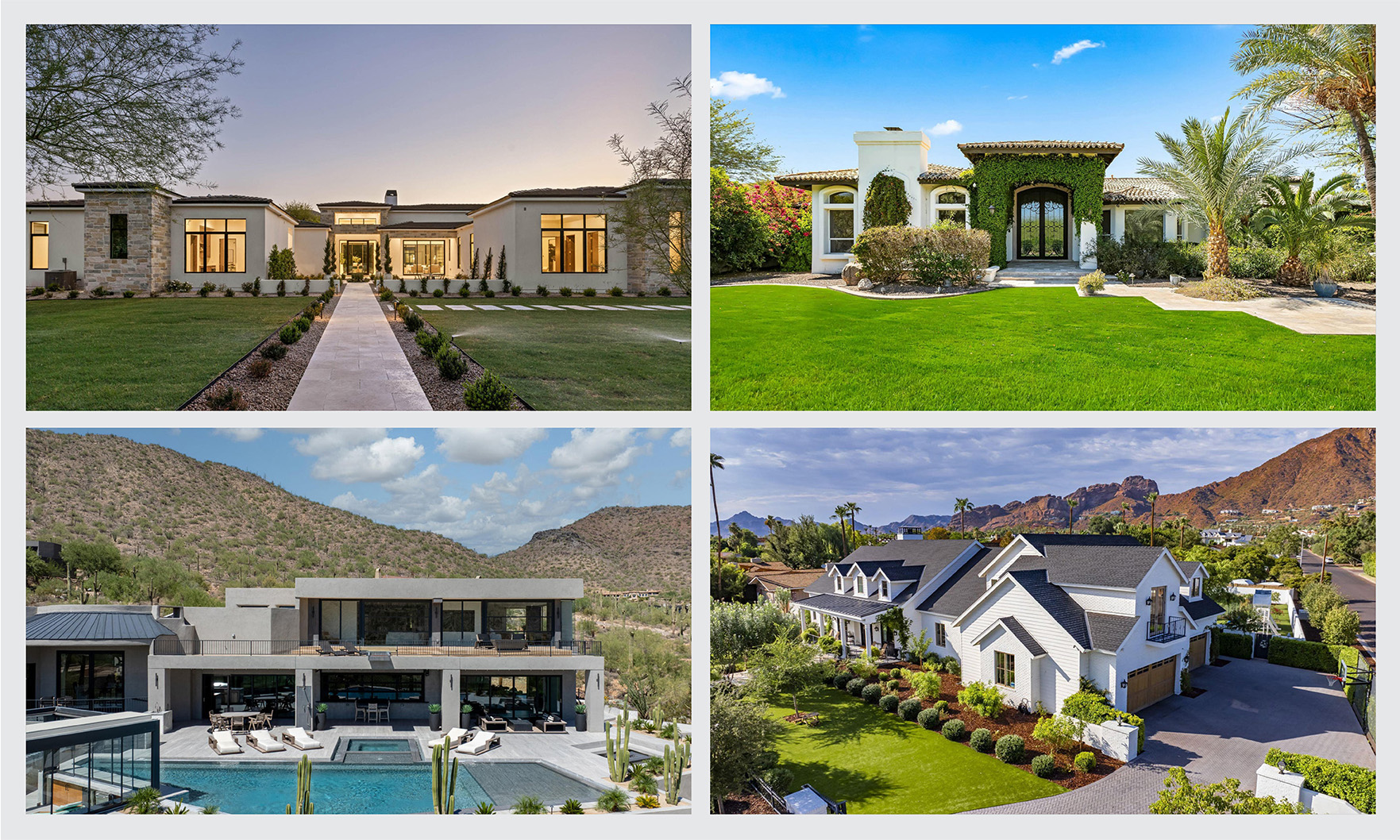
Compass agents worked with both the buyers and sellers of the two most expensive homes sold in Arizona in October.

At the top of the list? WaterSense fixtures — the plumbing solution, which claims to reduce water use by more than 20%, increased in popularity by 289.6%.

At the same time, the average age of the first-time buyer hit an all-time high of 40, according to the 2025 Profile of Home Buyers and Sellers.
Nationwide, the median price for a single-family home increased 1.7% year over year to $426,800. Prices increased by the same annual rate during the second quarter.

The city boasts some of the lowest travel costs in the country with relatively low hassle involved — plus ranked No. 1 for warm winter weather.
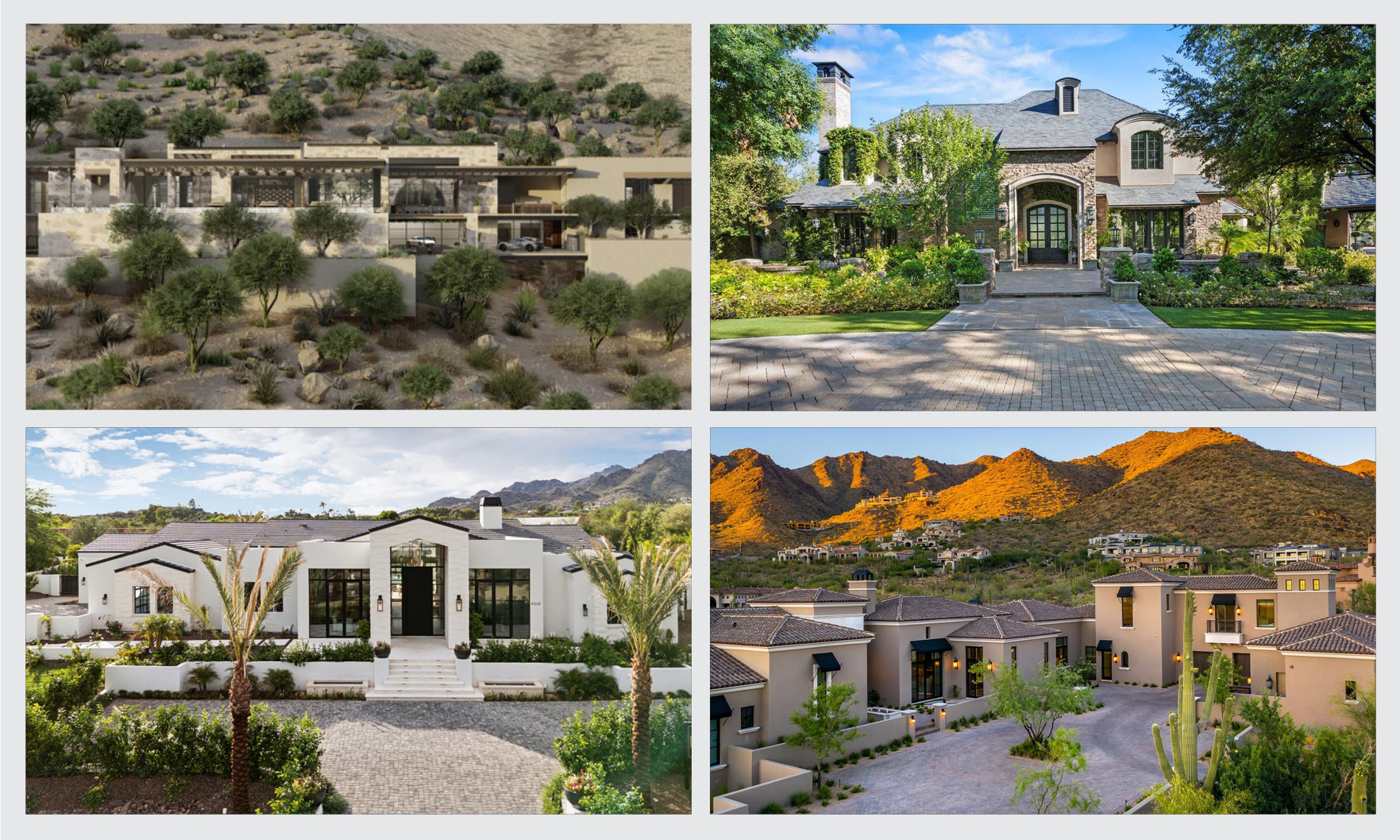
A $48 million Silverleaf estate tops this month’s list of the 10 most expensive new listings in Arizona.

How will the government shutdown hit the real estate market? Will big company mergers change the industry landscape? Economist Matthew Gardner is back answering those questions and more in his Q3 2025 Update with Agent Publishing Co-Founder Anne Hartnett.
Given the rate of sales, the nation had a 4.6-month housing supply, up from 4.2 months a year prior.
Nationally, home sales in the 52 metro areas surveyed by RE/MAX increased 8.5% year over year for the fourth time in 2025, but declined 4.6% month over month.

Tapping into Realtor intel, Zillow analyzed its listing database for keywords that are increasing most in popularity heading into the new year.