
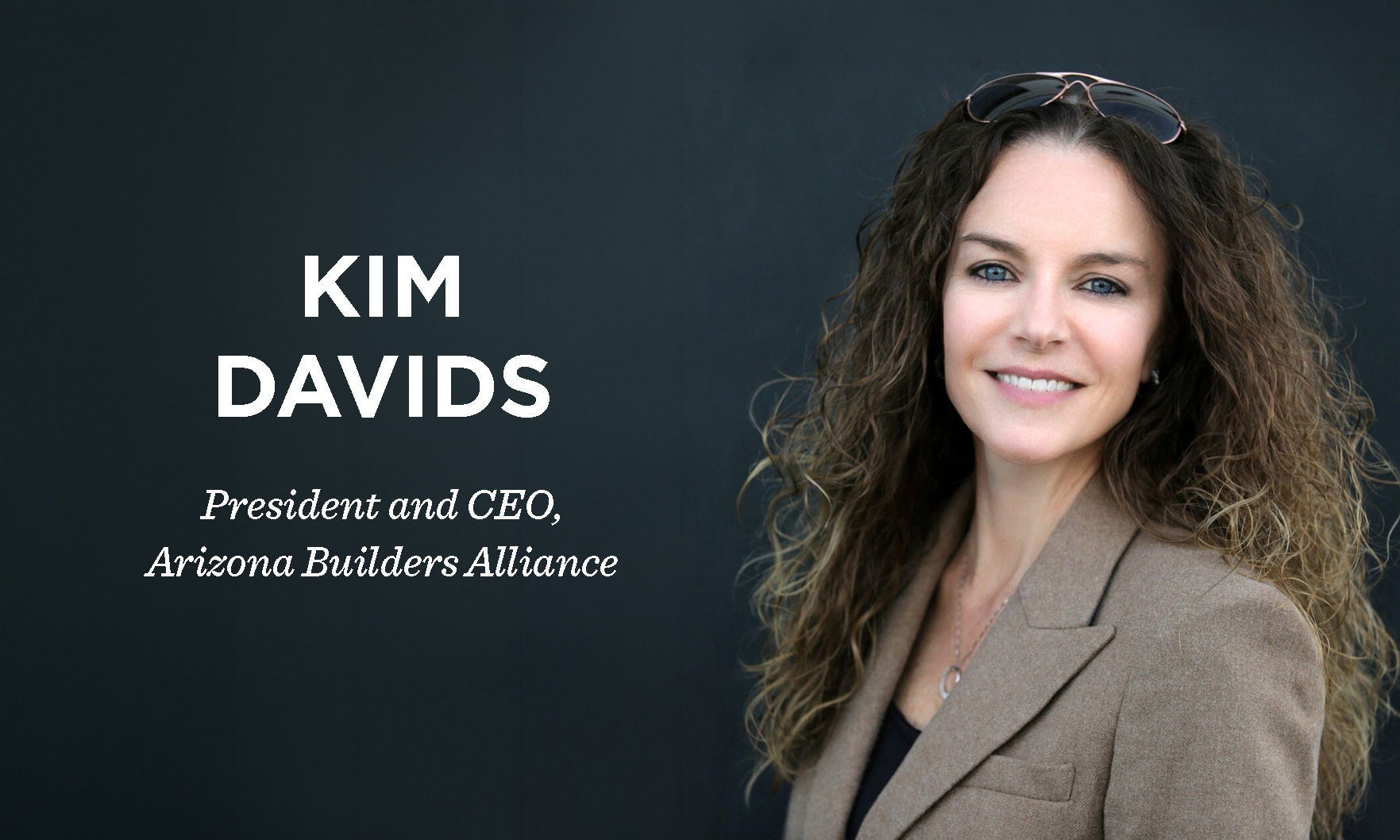
As president and CEO of the Arizona Builders Alliance, I have spent years watching commercial construction and real estate professionals pass each other by. Both industries share commonalities, face challenges and work vigorously to support their workforce. Closing that gap begins with a conversation.
Why community construction matters to everyone
The Arizona Builders Alliance represents more than 350 member companies spanning commercial, residential and industrial construction, bringing together a diverse network of professionals across project management, marketing, human resources and finance. Those connections happen through curated networking events where industry professionals exchange ideas, build relationships and identify new opportunities.
The work on the commercial side of that network directly shapes neighborhoods, zoning landscapes and development conditions that real estate agents navigate every day. Phoenix recorded $3.6 billion in commercial real estate across 210 transactions through August 2025. This reflects how construction activity is shaping the valley’s real estate landscape.
Agents who build relationships across the construction industry are better positioned to anticipate change, solve problems and grow their business. Anyone who understands permitting timelines, zoning shifts and material costs will be well-equipped to guide clients.
The value of a shared network
Bringing driven professionals from different industries together is key because each group brings expertise that fills the other’s gaps. Expanding industry knowledge drives growth and opens pathways to opportunity. ABA events unite commercial construction and real estate through purposeful gatherings designed to spark lasting relationships.
In August, the ABA partnered with the Associated Minority Contractors of Arizona and the American Subcontractors Association of Arizona to host the Arizona Construction Expo. The event united construction professionals from across Arizona to build lasting relationships that drive long-term growth. The ABA also hosted a Veterans Career Fair linking veterans to contractors, subcontractors and companies for potential employment opportunities.
Real estate professionals who attend these events gain direct access to the builders and contractors their clients need. This strengthens their referral network and value as trusted advisors.
The workforce and the job site
Common ground emerges when it comes time to recruit talent or discuss HR management tactics. The construction industry needs 350,000 new workers this year alone to meet demand, making talent identification a priority that both industries can address together. Agents can help identify project managers and estimators from residential real estate and introduce them to construction firms. This creates an advantage that keeps both sides engaged and mutually supported.
The most valuable professionals in either industry share a common trait: They are curious, adaptable and willing to learn. These are qualities that translate across any field. With the right mindset, a person can succeed in construction, real estate or any industry that demands problem-solving and collaboration.
Conversations about supply chain timeliness and other operational challenges yield insights that benefit both industries.
Health and safety initiatives also resonate across every industry. Both groups can align around safety programming and shared protocols.
In Arizona, extreme heat affects construction workers physically and mentally. According to OSHA’s Heat Stress Guide, prolonged heat exposure increases the risk of physical and psychological stress. It is a commonality that builders and agents can discuss openly. Both can also address mental health awareness and site-specific protocols.
Technology applications
The commercial and residential real estate industries share similar technology. Project management software is one area where both sides can exchange best practices for scheduling tools and data platforms. Each side gains a competitive advantage by learning from the other’s workflow.
Agents benefit directly, guided by construction professionals who have already navigated the same challenges.
The NIMBY problem is your problem, too
NIMBY resistance is a growing challenge across residential communities and commercial construction. Phoenix had about 24,187 multifamily units under construction in the second quarter of 2025, representing 6.7% of existing inventory. That pace puts real strain on neighborhoods and Realtors.
Large data centers are landing in neighborhoods and apartment complexes are rising all across the Valley. Factories are also relocating into residential corridors. Commercial and home builders are already showing up at zoning board and school board meetings to address pushback directly.
These topics emerge naturally as both groups navigate major changes transforming Arizona communities. More people are finding the confidence to attend local government meetings and raise concerns, building a grassroots movement that real estate professionals are naturally positioned to join. Agents and builders can unite to develop solutions that protect communities and support responsible development.
Expand the circle
Real estate professionals who are ready to grow should look beyond their traditional networks and engage with the commercial construction community. The Arizona Builders Alliance is an example of a gateway to those relationships, offering events, industry gatherings and resources designed to spark meaningful connections.
Specifically, the ABA hosts Member Mixers and offers educational courses focused on both the technical and professional development aspects of construction, which is an easy way to connect with construction and industry professionals.
A more unified industry benefits everyone. When agents and builders work together, they are not just growing their businesses — they are helping build stronger Arizona communities.
Visit azbuilders.org to take the first step.
Kim Davids is the president and CEO of the Arizona Builders Alliance.