
By the Numbers
S&P Dow Jones Indices noted that inflation outpaced national home-price appreciation for the eighth month in a row.
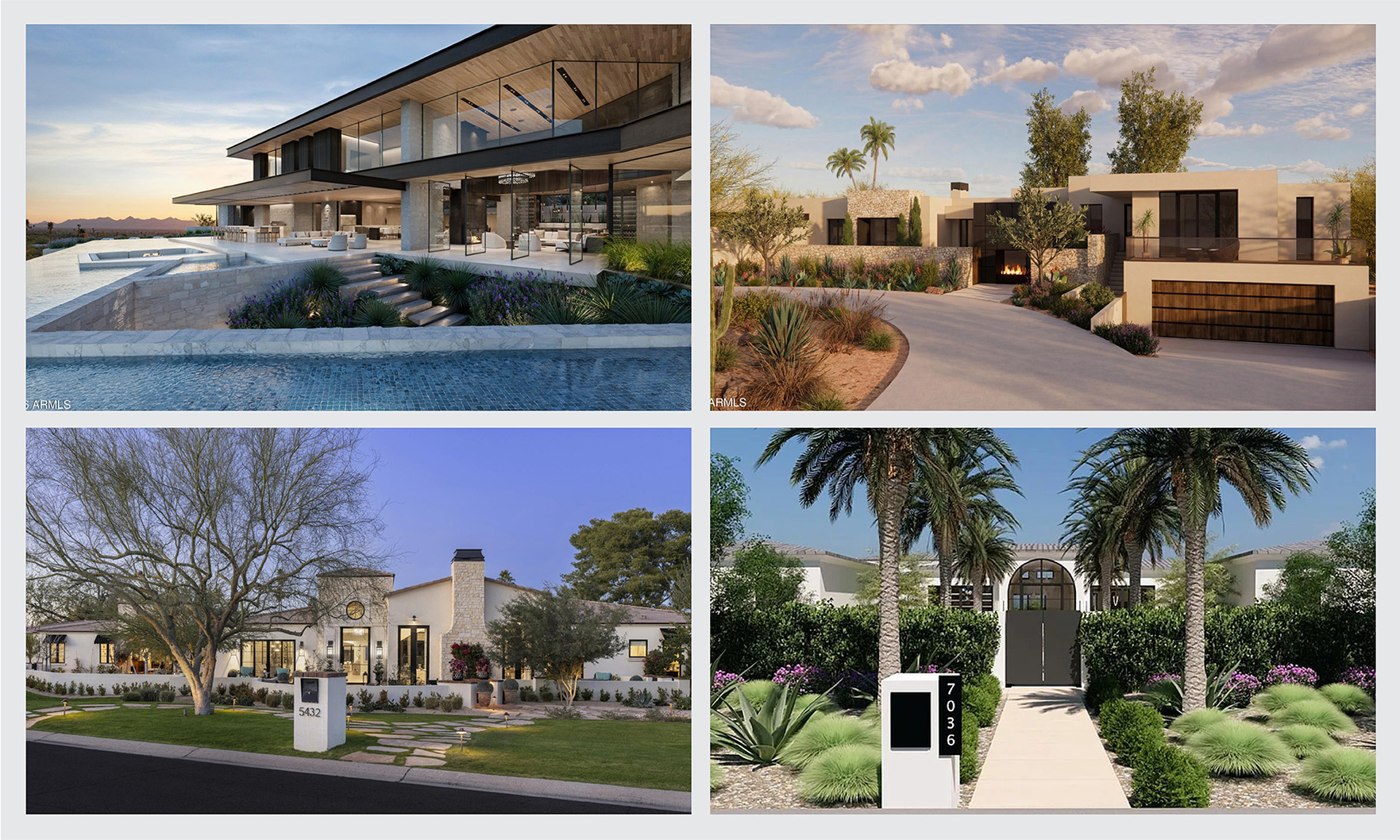
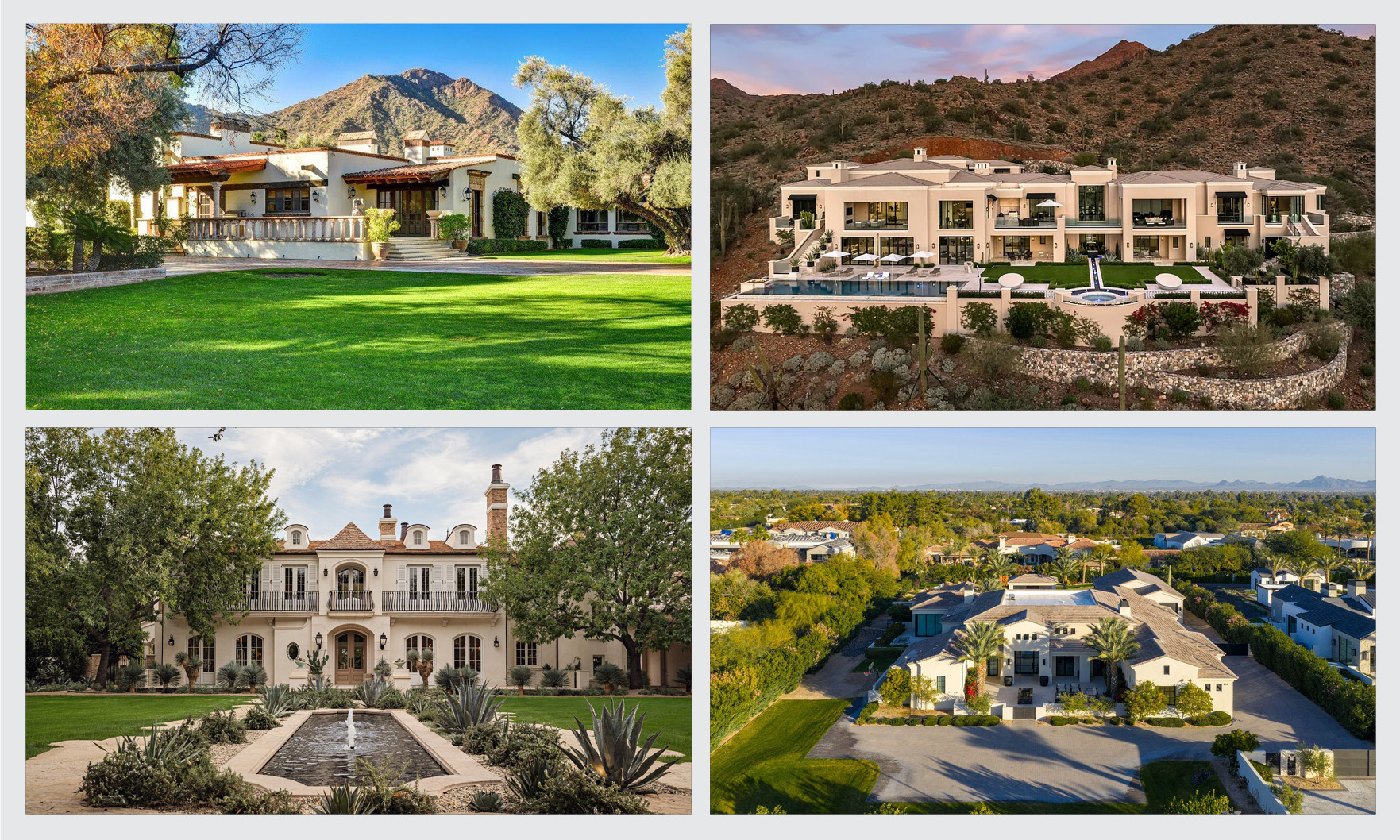
A brand-new, $22 million estate on Camelback Mountain tops the March ranking of the 10 most expensive new listings in Arizona.
Nationally, home sales in the 51 metro areas surveyed by REMAX declined 3.2% year over year and rose 11.1% month over month.
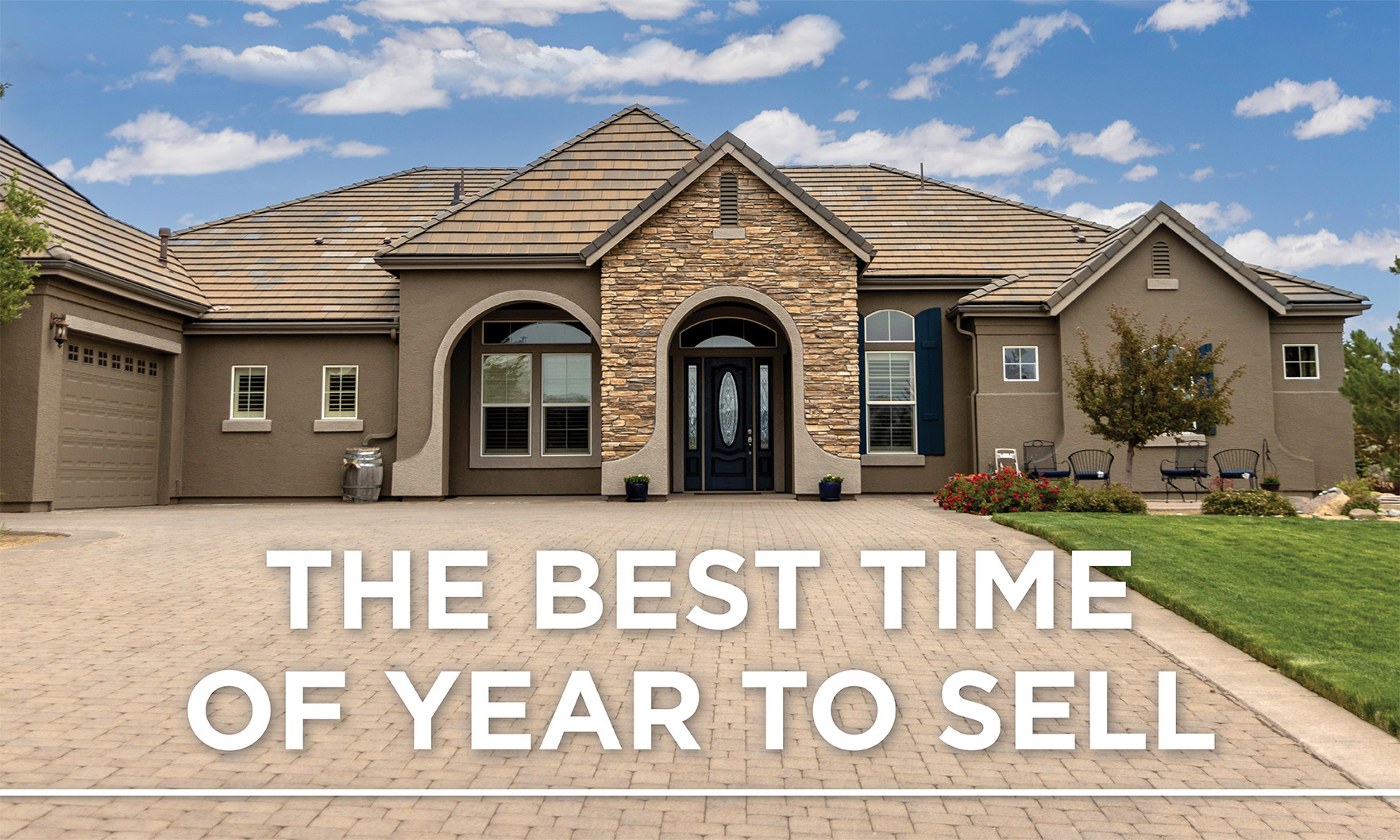
Though the most lucrative week to list varies by city and region, spring is undoubtedly the smartest season to list.

Here’s how the square footage shakes out in the largest Phoenix-area cities.
Regionally, pending sales rose in the Midwest, South and West, and declined in the Northeast on a month-over-month basis.
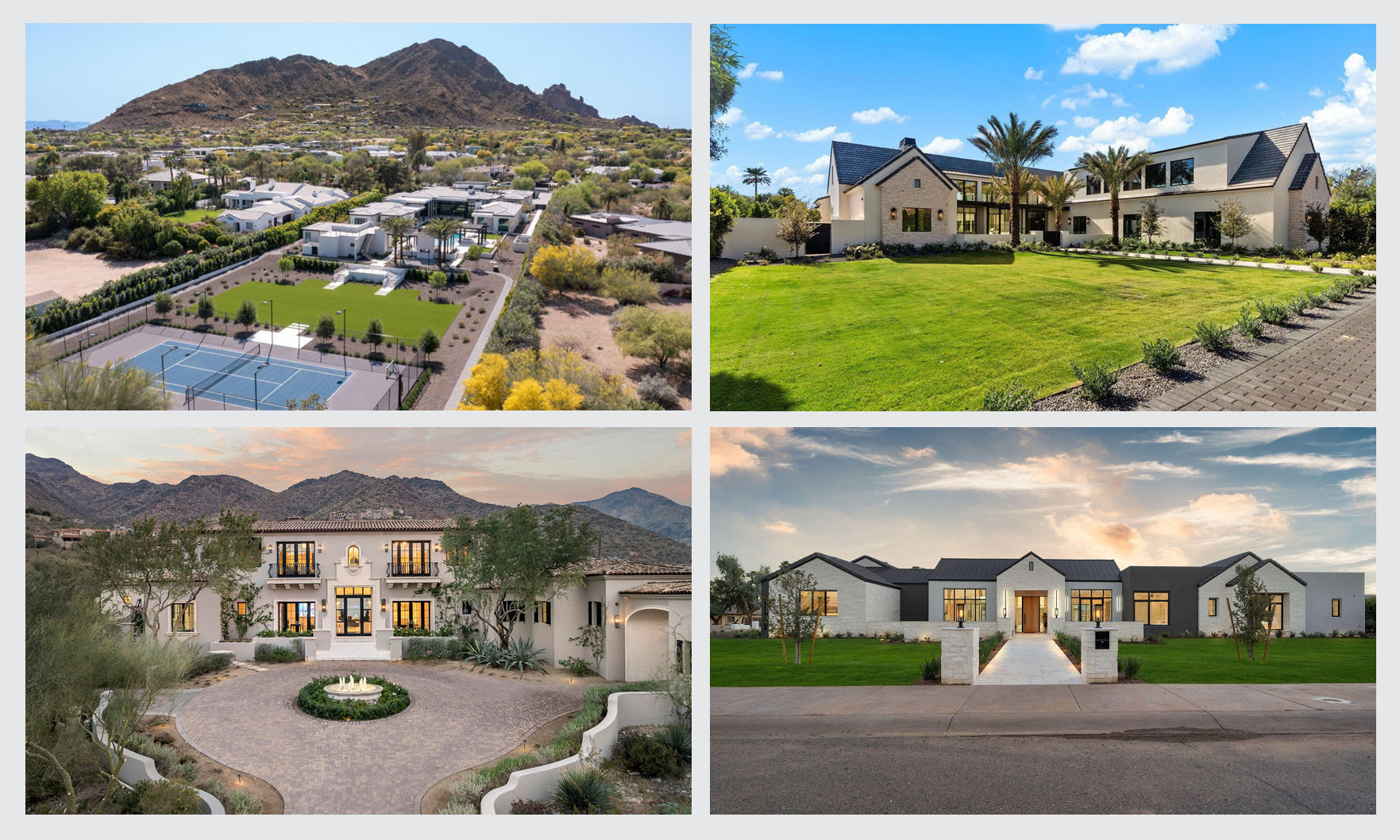
A seven-bedroom, nine-bathroom estate with a full-size tennis court tops the February list of the 10 most expensive homes sold in Arizona.
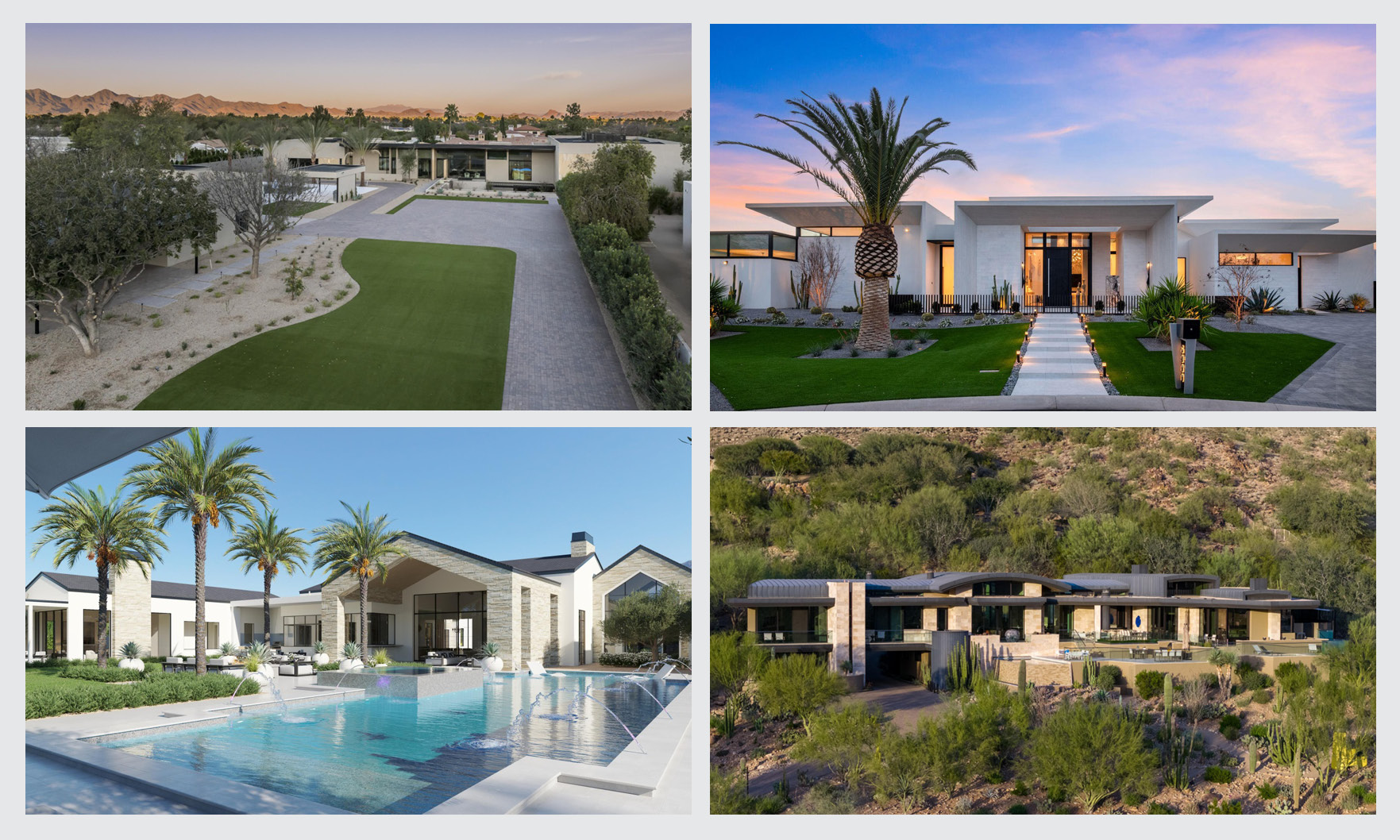
Two brand new homes in Paradise Valley top the February ranking of the priciest new listings in Arizona.
U.S. home sales declined 6% year over year and 32% month over month in January, according to the latest REMAX National Housing Report.
With mortgage rates approaching 6%, 5.5 million additional buyers that could not qualify for a mortgage one year ago would qualify at today’s lower rates, the National Association of REALTORS® said.

Arizona ranked No. 4, with an effective real estate tax rate of 0.48%. That equates to about $1,585 annually for a home valued at $332,700 (the U.S. median home price in 2024).

Affordable apartment construction in the Phoenix metro area increased 206% in the years following the Covid-19 pandemic, according to data from RentCafe.

Arizona’s top 10 priciest home sales in January ranged from $7.9 million to $16.5 million.
Given the rate of sales, Maricopa County had a 3.9-month inventory in January, up 5.4% year over year.

Zillow’s Home Value Index shows that in 13 of the past 20 years, home values in the metro area of the Super Bowl champion grew faster than the national average.
The priciest new listing in Arizona is back on the market after selling for $30 million last May. That price tag made it the most expensive home sale in 2025.